
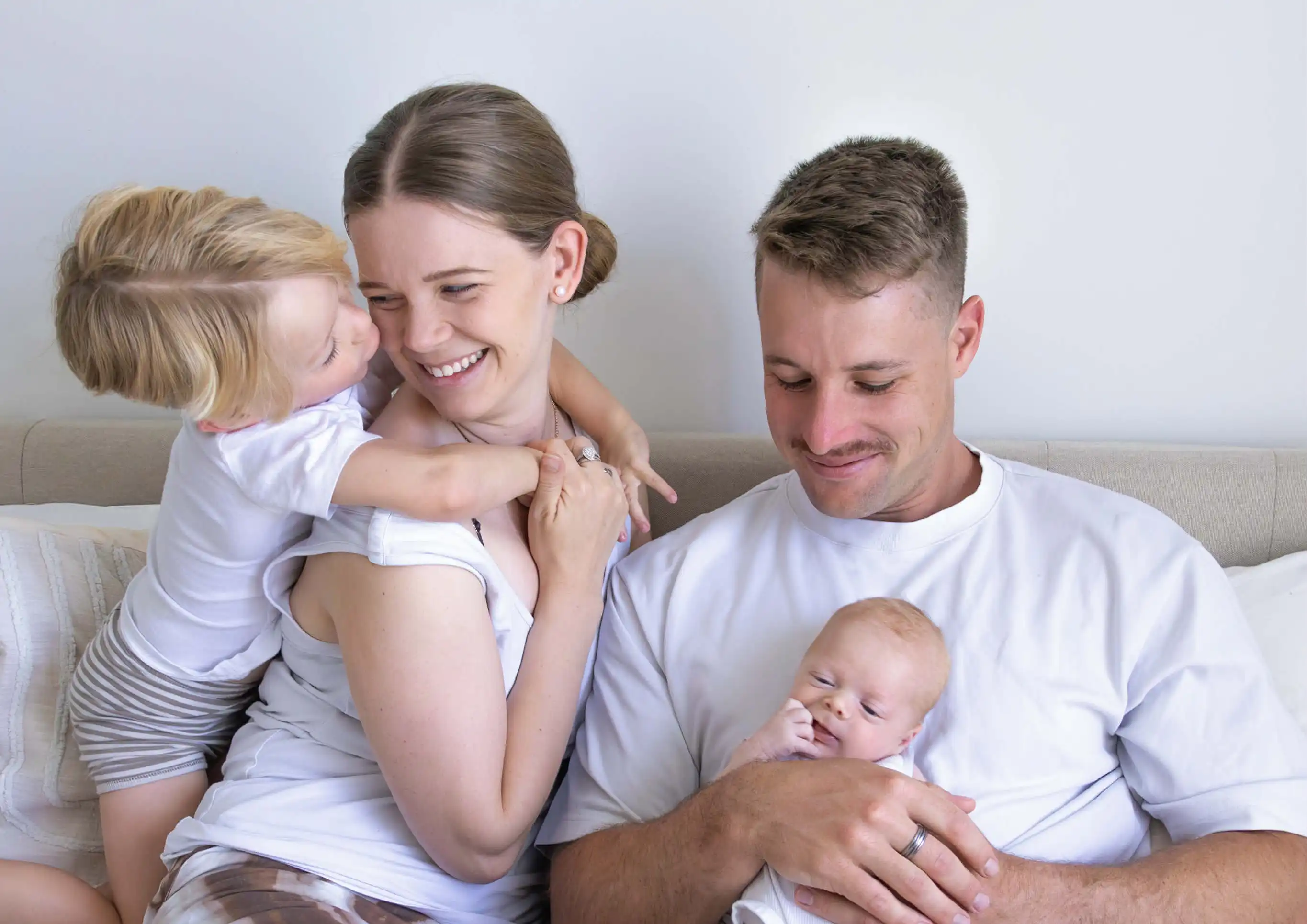
Kabe's Story


Sponsorship for Perinatal Mental Health Week is not a funded arrangement; no financial contributions are exchanged as part of this recognition.
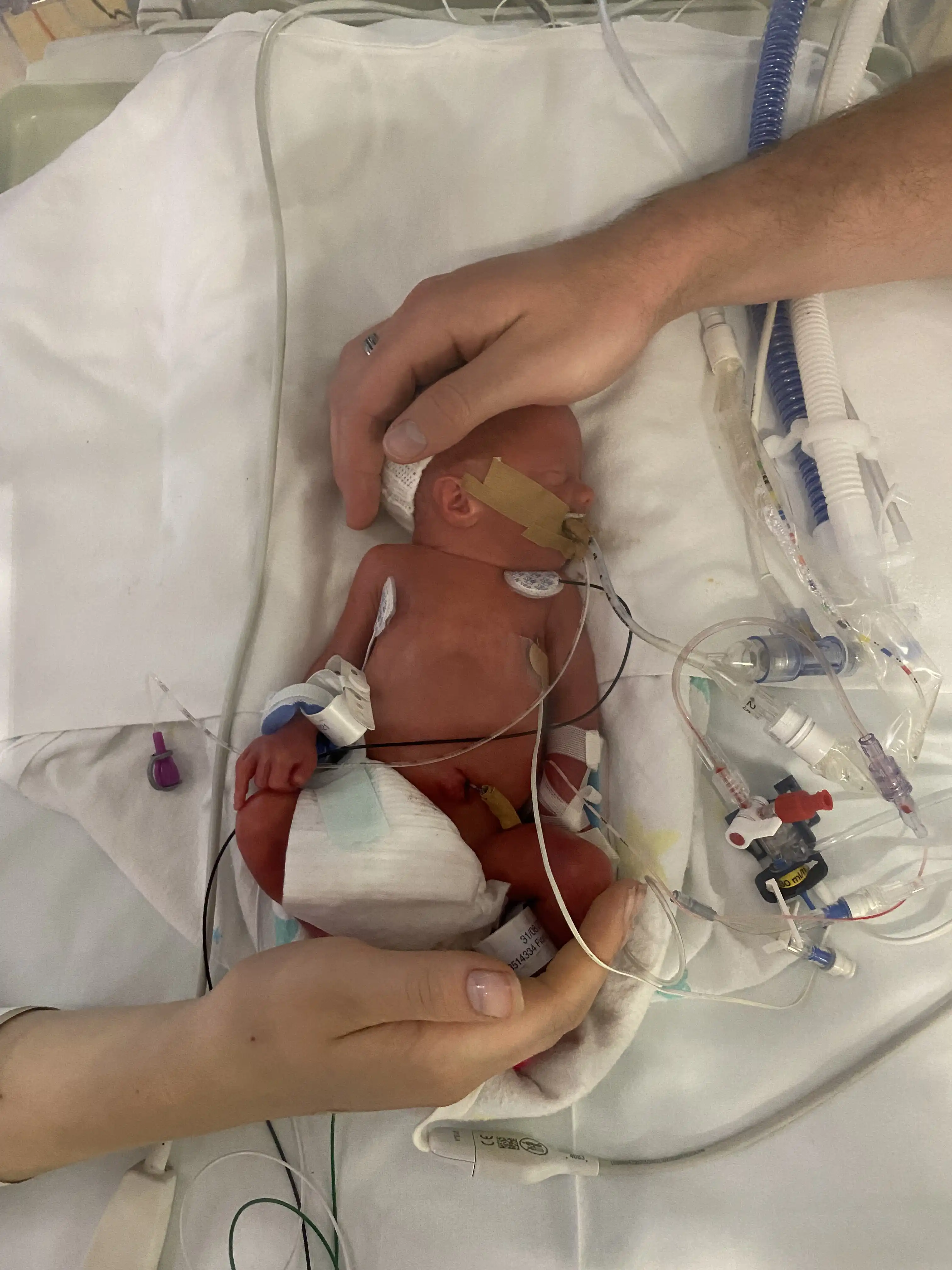
Nobody held me when it mattered most. I stood in a hospital corridor, listening through a door to obstetricians arguing how to deliver our son at 25 weeks, ready to help my wife until I was told to wait in the lift lobby.
When he was wheeled out, red and the size of a coke can, I was handed consent forms and told to sign for procedures I didn't understand. "Please just do whatever you think is best," I said. No one checked whether I'd eaten, slept, or understood what was happening.
Days later my wife was screened for postnatal depression before discharge. I stood beside her, silently scoring higher than she did, and told myself I'd deal with it later. Six months in NICU, and I still hadn't dealt with it.
That's the system's gap: no chaperone for the non-birthing parent, no equivalent screening for fathers, no one tracking Maslow's basics: fed, housed, informed, while we absorbed trauma. Small, structural things would have held me: a check-in, a briefing on what happens next, a support worker who found us before day three.
But what held me wasn't the system. It was peers, and Ronald McDonald House, where dinner became a check-in with other parents. It was the NICU Dads group, other men who didn't need the context explained. Peers held me because they'd been where I was; the system, stretched to two or three support workers for hundreds of families, was too thin to reach everyone in time.
I don't think the answer is choosing between the two. The system can't replace peer support, but it can stop being the reason fathers go unheld: a form, a duty of care, a patient ID, so that by the time peer connection arrives, we're still standing, ready to support our family.


Find the support that's right for you.
Answer a few short questions and we'll suggest organisations and services that can support your needs.